
Floor Screeding Seaton Devon (EX12): Having a floor screeded might not be the most exciting part of a renovation, but the quality of the work still matters. Whether you are renovating your kitchen or building an extension in your Seaton property, the screed gives your chosen flooring a suitable base to be laid on. Even if the floor looks fine at first, faults in the screed could start to show once the finished floor is fitted. It's far from straightforward to deal with issues in the screed once the final floor covering has been laid, and it can cost quite a bit more too.

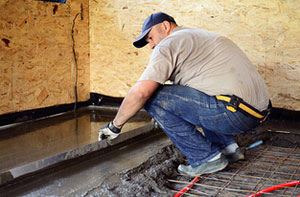
Screeding involves laying a measured layer of material over a floor that has been prepared to achieve the specified floor level & finish. Concrete often forms the base for the screed, and other installations also include insulation or an underfloor heating system below the screed. At first glance, screed can look a lot like concrete, yet their make-up & purpose differ. On many domestic projects, the concrete slab forms the structural part of the floor, and the screed provides the surface needed for the next stage. There isn't a single floor arrangement that suits every home in Seaton, because the existing floor and the intended floor finish help determine which layers are needed.
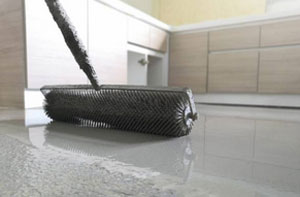
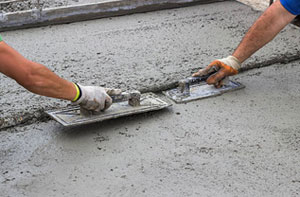
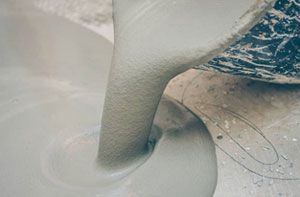
In homes across Seaton, traditional sand and cement screed is still a familiar option for household floors. You do not always need a pumped system for a traditional sand and cement mix; the material can be laid and levelled by hand, making it useful for alot of household projects. If you have a sizeable area to screed or the job includes underfloor heating, liquid screeds could be a suitable alternative. They spread more readily and may produce an even finish. The right choice varies from one project to another; neither type is the best option in every situation. There is not much point choosing one kind of screed before looking at the available depth, how the floor is built & the finished flooring you've chosen.
It's not a good idea to start screeding without first making sure the base is suitable for the screed. With a bonded screed, the state of the surface underneath really matters, because loose debris & an uneven surface might affect the result. For one floor, a primer or some other preparation might be required; on another, the floor might be designed with a separating membrane. When you spot cracks or damp patches, it's worth investigating the cause rather than just covering them over. It's sensible to ask a screeding specialist in Seaton to inspect the problem before screeding starts, so the cause can be investigated.
Before screeding gets under way, it's worth confirming where the finished floor needs to sit, instead of trying to sort it once work is under way. You may need the new kitchen floor to finish level with the hallway floor without a noticeable step, or need to leave enough room for thicker floor tiles & adhesive. Even a doorway can impose a height limit, so the final height should be planned in advance. A few millimetres may not sound like much, but such a small change could lead to more work further down the line. It is better to sort out the floor heights beforehand than try to fix a mismatch later, especially if other skilled tradespeople are involved.
When screeding a property in Seaton, British Standards BS 8204 helps set out recognised practices when planning and laying screeded floors, when checking the specification. An experienced installer should understand which standard is relevant to the work, because BS 8204-1 covers concrete bases and cementitious levelling screeds, whereas BS 8204-7 covers pumpable self-smoothing screeds. A screeded floor can look flat without meeting the specified surface regularity; recognised surface regularity grades provide a way of assessing this. The standard required depends on the kind of screed being laid and the flooring that will be fitted over it. An experienced screeding contractor ought to be able to clarify which standards apply to the job, including how the finished screeding will be checked.
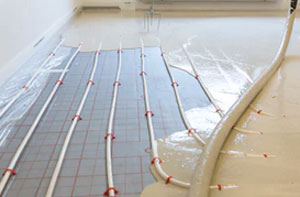
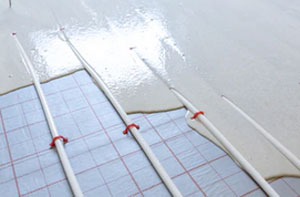
Underfloor heating and floor screeding are often part of the same job for properties in Seaton, with the screed forming part of the floor construction. The idea is to distribute the heat through the finished floor, and screed laid around the pipes plays a part in doing that. There's more to specifying the screed than looking at the finish on top; the screed's make-up & thickness also influence how the underfloor heating works & how the floor behaves in the long run. Before any screed goes down, the pipework must be secured in position, and the heating installation needs to be checked to make sure it is ready to be covered. When the screed is in place, you should not switch the system on at full power simply because the floor looks dry; follow the agreed commissioning procedure instead.
Screed isn't always laid as one continuous surface, especially in bigger rooms or spaces which have an awkward layout. Doorways & wide areas of flooring are places where movement joints could be required, in particular when structural joints exist in the concrete underneath. Rather than letting the screed press against the walls, some specifications call for a compressible edging strip around the room to leave room for slight movement. Expansion & contraction are something to allow for as temperatures vary, which is why the joints & perimeter allowances can help to limit cracking caused by movement. The planned floor covering can affect the layout of any joints, and the contractor needs to plan the joint positions properly. It is a detail that should be settled on before the work gets underway; the screeder needs to know where any joints will be before laying starts.
It's worth allowing for the drying time before booking the next trade, because some householders underestimate how much time is needed. Simply because the screed can be walked on doesn't mean it's ready for tiles or timber flooring. You should check the instructions for the particular screed, because damp conditions may slow down drying. A quicker-drying product may cut down the waiting time, but the recommended procedure still needs to be followed. You don't want a flooring fitter arriving at your Seaton property while the screed is still too damp, so ensure that the schedule allows for drying. Guessing about whether the floor is ready may lead to trouble.
Before you press ahead with the screeding in a building in Seaton, a good screeding specialist should be prepared to explain the work that they recommend so you understand the approach. They will normally want to know the area that's involved, the intended floor covering & what the existing floor consists of. It's quite reasonable for a screeder to want a look at the floor before pricing the job properly. A quote should not leave you guessing about the preparation work, what kind of screed is being used or how the finished levels will be checked. Before the flooring installer arrives, make sure it's clear which contractor is responsible for checking moisture levels, instead of letting the check fall between contractors.
When arranging screeding around Seaton, it's easy to think the cost of screeding comes down to a price per square metre, yet there's often more to the quote than that. Screeding a clear, open floor area isn't quite the same as laying screed in a room with tight corners. Two floors of the same size will not necessarily cost the same to screed where the materials and required depth are different. When you are comparing quotations, check whether the cost includes preparation and materials, and whether any required testing is covered. The important thing is the overall cost of the work, rather than the initial quotation alone, particularly if some work is listed as extra.
A new screed layer shouldn't be exposed to unnecessary damage; it should have proper protection & the right conditions to cure & dry. There isn't much point paying for a decent screeding job if heavy traffic or careless work spoils it. It isn't worth assuming the screed can be walked on without checking with the installer; the installer ought to clarify when walking on the floor is permitted and what has to be checked before laying the flooring. Someone arranging screeding in Seaton ought to be looking for more than a floor that appears flat when the job is finished. A base that's properly prepared must be suitable for the flooring planned for the room & help prevent unwelcome extra costs after the job.

Screeding Nearby: Floor screeding services are available in Seaton and also nearby in: Colyford, Northleigh, Abbey Gate, Axmouth, Shute, Branscombe, Sidmouth, Musbury, Beer, Axminster, Salcombe Regis, Weston, Colyton Hill, Kilmington, Southleigh, Colyton, Uplyme, Stafford Cross, and in these postcodes EX12 2DU, EX12 2FP, EX12 2BJ, EX12 2EB, EX12 2AL, EX12 2EX, EX12 2HY, EX12 2DX, EX12 2JD. Local Seaton floor screeders will likely have the postcode EX12 and the dialling code 01297.
Subfloor Preparation Before Screeding
You could be focused on the floor finish, although the floor beneath the screed also deserves attention on a floor screeding project around Seaton, since the screed needs a suitable base. Cracks might lead to complications if they aren't dealt with, which is why the base should be inspected ahead of the installation. As part of assessing the existing subfloor, the contractor should take a close look at dust & loose debris, and decide what needs removing or grinding before screeding begins. Bonded screeds require an appropriate base to achieve a suitable bond, and additional work such as mechanical surface preparation or applying an appropriate bonding primer may be needed. In certain floor build-ups, the installer could be required to lay a separating membrane before laying can begin. Screeding straight over a damp patch does not remove the cause of the issue, and it's better to investigate first. Before a screeding project gets under way, a screeding specialist will need to assess the condition of the base, work out what preparation is needed and tell you what needs attention. - article 91126
Screeding Related Services & Tasks

There are a whole host of tasks that can be carried out by your local Seaton floor screeding specialist including floor screeding, screed testing in Seaton, acid etching concrete, floor screed repairs, basement screeding, subfloor repair, bathroom floors, smoothing compound application, rapid curing floor screeds, floor preparation in Seaton, conservatory floor screeding in Seaton, final floor finishes, damp-proof membrane installation, self-levelling floor screeding in Seaton, advice on compatible floor coverings, monolithic screeding, professional floor levelling services in Seaton, floor restoration, unbonded screed, concrete floor moisture testing services, coloured floor screeding, resin floor screeds, decorative floor screeding Seaton, and lots more.
 Floor Screeding Seaton
 Screeding Near Me
 Floor Screeders Seaton
Floor Screeding Near Me
Also find: Northleigh floor screeding, Northleigh screeding contractors, Colyton Hill screeding, Colyton screeding contractors, Salcombe Regis screeding specialists, Axminster screeding, Kilmington screeding specialists, Axminster screeding contractors, Stafford Cross screeding contractors, Salcombe Regis screeding services, Sidmouth screeding contractors, Weston screeding services, Northleigh screeding, Axmouth screeding, Branscombe floor screeding, Abbey Gate screeding specialists, Stafford Cross screeding specialists, Colyton screeding screeding services and more. All of these towns and villages are covered by companies who do floor screeding. Seaton home and property owners can get quotes by going here.
Seaton Devon Information: The coastal town of Seaton is situated in East Devon, approximately twenty-three miles east of Exeter, close to the coastal villages of Beer & Axmouth. Overlooking Lyme Bay, Seaton forms part of the Jurassic Coast World Heritage Site, which is well known for its ancient rock formations, fossils and dramatic coastal scenery. The town's history stretches back many centuries, growing from a small fishing settlement into a popular Victorian seaside resort. With a population of around 7,700 people according to the 2021 census, the town has retained much of its traditional seaside character. Among the town's best-known features is Seaton Beach, an extensive pebbly beach with a pleasant promenade, offering attractive coastal views. Other local attractions include Seaton Wetlands, Seaton Jurassic & the historic Seaton Tramway, and the tramway travelling through the Axe Valley to Colyton. Central Seaton provides a useful range of independent shops, cafes, restaurants and traditional pubs, as well as schools, supermarkets, medical facilities & other everyday amenities. For anyone who enjoys the outdoors, the South West Coast Path offers plenty of opportunities for coastal walks, and Seaton Wetlands remains an important nature reserve. Nearby places include Beer, Axmouth, Colyton, Branscombe & Axminster. Road connections are available via the A3052, while the nearby A35 offering connections to Exeter & neighbouring parts of Dorset. Although Seaton has no railway station, nearby Axminster offers train connections towards Exeter & London Waterloo. To get local Seaton info click here, and to see the weather forecast, look here: Seaton weather.
More: Damage Repairs, Levelling Corrections, Joint Sealing, Retail Flooring, Patch Repairs, Residential Screeding, Polymer Screed, Repairs, Decorative Screeding, Bonded Screed, Patch Repairs, Screed Installation, Cheap Screeding, Joint Sealing, Concrete Screeding, Floor Levelling, Damage Repairs, Garage Floors, Surface Patching, Screeding Services.
Floor screeding in EX12 area, telephone code 01297.
Floor Screeding Near Me, Fast-Dry Screeding, Self-Levelling Screeding, Floor Screeding Services Seaton, Screeder, Screeding Seaton, Residential Screeding, Floor Screeders Seaton, Floor Levelling Services, Commercial Screeding, Floor Screeding Contractors Seaton, Floor Screed Contractors, Floor Screeding Seaton, Floor Screeding Estimates Seaton